Friction·sebum control
Rave cosmetic layering — glitter, gems, body paint, adhesive — creates a composite occlusive film that traps heat, sebum, and sweat against the barrier for 6–10 hours in ambient temperatures above 35°C
The EDC attendee typically arrives pre-loaded with a stack that includes a silicone or acrylate primer base, full-coverage foundation, adhesive-set gems (often cyanoacrylate or skin-safe latex), chunky cosmetic glitter in a gel vehicle, and body paint in an alcohol or wax carrier. Each layer has a different oxygen and vapor transmission rate. Collectively, they function as a semi-occlusive composite membrane. Underneath, sebaceous output increases with ambient heat — sebum viscosity drops as temperature rises, so sebum spreads laterally faster and in greater volume. Sweat accumulates at the interface between skin and the occlusive stack, unable to evaporate normally. The result is a warm, humid microenvironment at the stratum corneum surface: exactly the conditions that accelerate Cutibacterium acnes proliferation and trigger follicular occlusion. Transepidermal water loss paradoxically elevates at the margins of occluded zones where the film is discontinuous, creating a patchy dehydration-congestion dual profile.
Matched K-Beauty products
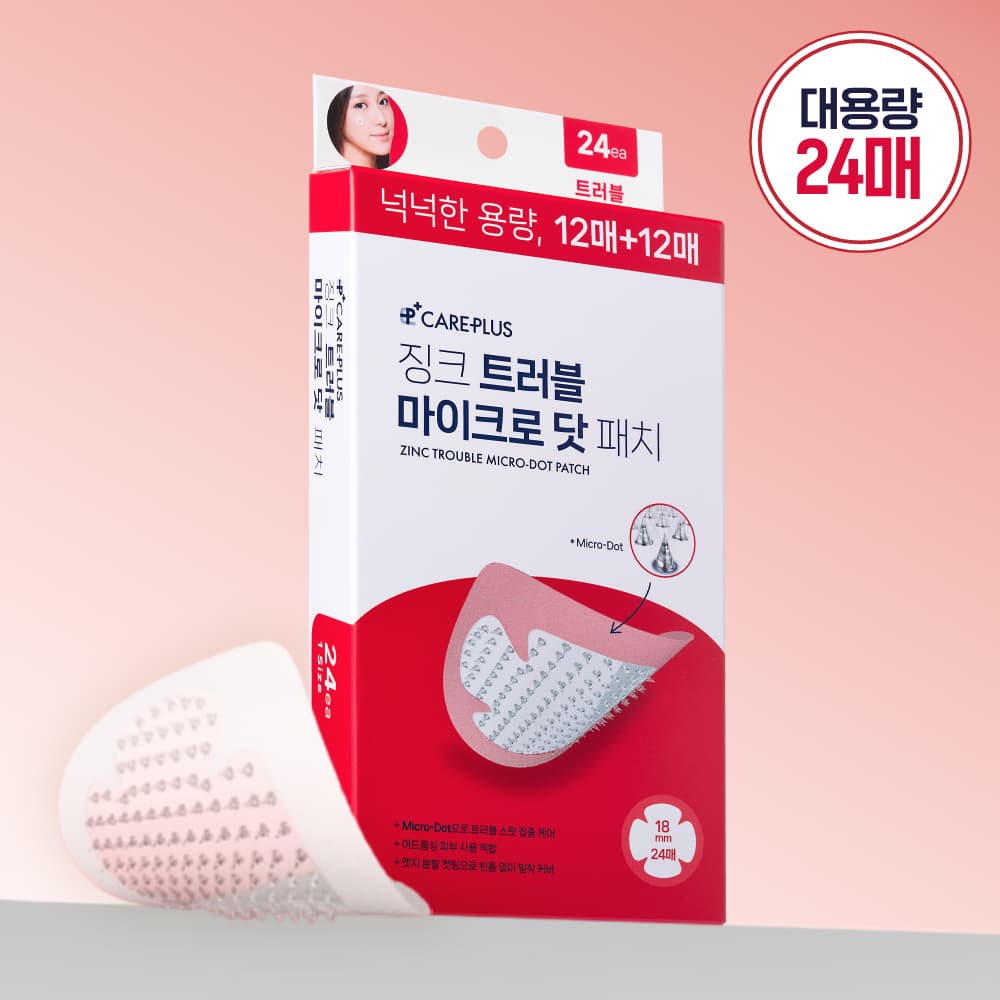
CAREPLUS Zinc Trouble Micro-dot Patch 24P ↗The CAREPLUS Zinc Trouble Micro-dot Patch delivers zinc oxide or zinc salt directly to a focal occlusion site, and zinc's mechanism is directly relevant to the rave-layering friction: zinc is a known sebostatic agent that suppresses sebaceous lipid synthesis and exerts bacteriostatic activity against Cutibacterium acnes by disrupting its iron-acquisition pathways. In the warm, humid microenvironment created beneath a composite cosmetic film, where sebum viscosity is thermally reduced and follicular occlusion is accelerating, a localized zinc depot addresses both the sebum overproduction and the incipient C. acnes proliferation components of the friction. The micro-dot format allows targeted delivery without further occluding surrounding skin.
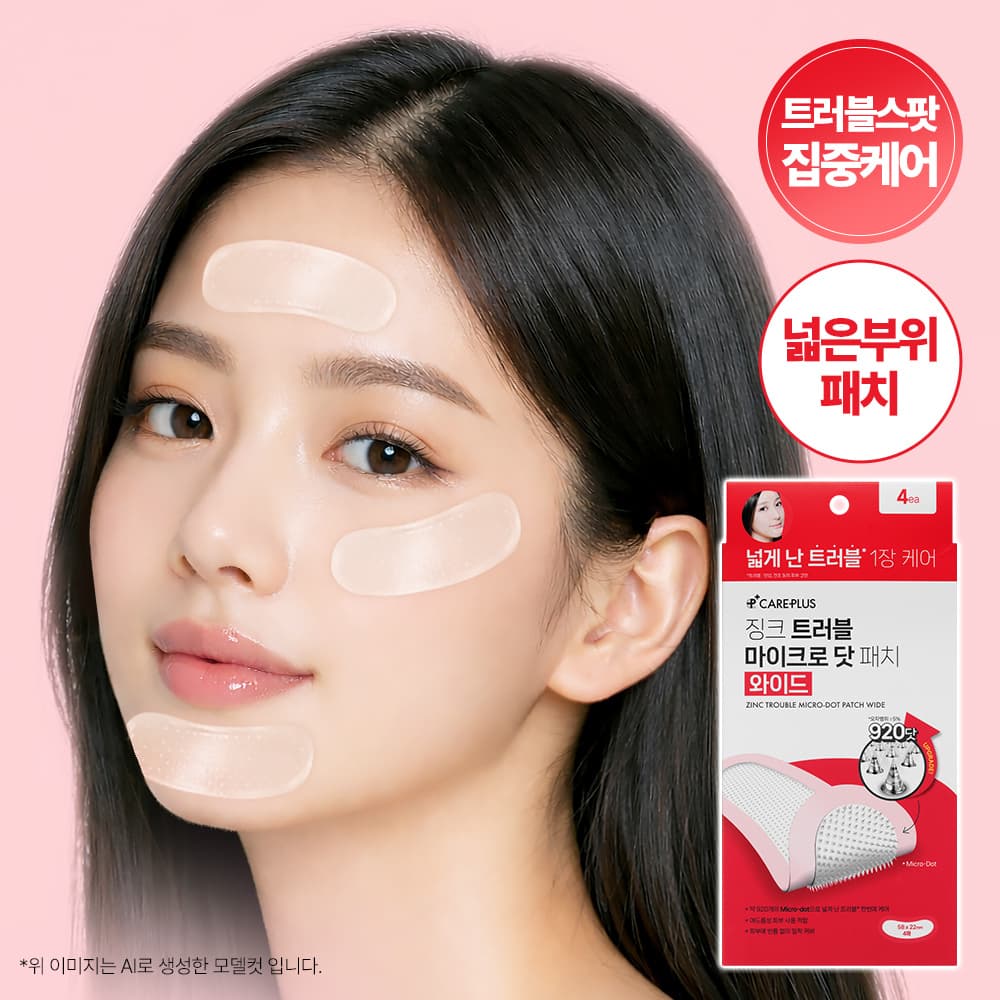
CAREPLUS Zinc Trouble Micro-Dot Patch Wide 4P ↗The CAREPLUS Zinc Trouble Micro-Dot Patch Wide extends the same zinc-mediated sebostatic and bacteriostatic mechanism to a broader coverage zone, which is mechanistically relevant when the composite occlusive film from rave cosmetic stacking spans larger facial or body regions rather than discrete lesions. Wider follicular occlusion zones — produced when silicone primers and wax-carrier body paint collectively reduce transepidermal vapor flux across a large surface — benefit from broader zinc distribution to suppress the elevated sebaceous output and C. acnes proliferation across the affected area. The wider format better maps to the patchy dehydration-congestion dual profile described in the friction.
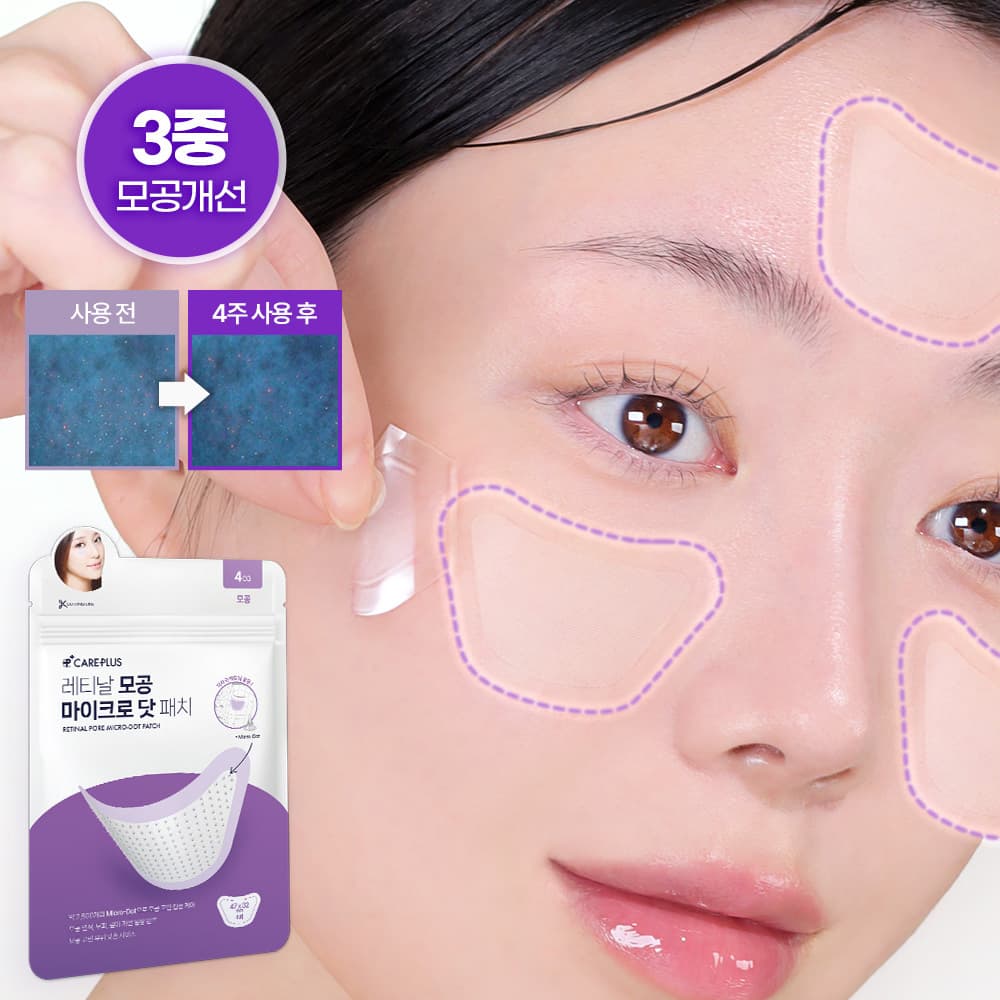
CAREPLUS Retinal Pore Micro-Dot Patch 4P ↗The CAREPLUS Retinal Pore Micro-Dot Patch likely delivers retinaldehyde at a follicular level, and retinoids are mechanistically relevant to the post-occlusion phase of the rave-layering friction: retinaldehyde normalizes follicular keratinization and suppresses sebocyte differentiation via RAR/RXR nuclear receptor signaling, addressing the comedogenic keratinocyte hyperproliferation that follows prolonged follicular occlusion under a composite cosmetic membrane. However, retinoids are a downstream repair-phase mechanism rather than an acute sebum-control intervention, and the micro-dot patch format limits coverage — placing this product in an adjacent rather than primary mechanistic alignment with the friction as described.
Friction·hydration barrier repair
Las Vegas dry desert heat during daytime pre-gaming strips the stratum corneum of surface lipids and water before the night event even begins, compromising the barrier that then sits under occlusive cosmetics for hours
Las Vegas in late May runs ambient relative humidity below 15% during peak afternoon hours, with dry-bulb temperatures above 40°C. At that vapor pressure differential, the stratum corneum's natural moisturizing factor — urocanic acid, pyrrolidone carboxylic acid, free amino acids — is drawn outward by passive diffusion before it can redistribute within the cornified layers. Lamellar body secretion of ceramide precursors, which normally maintains the intercellular lipid lamellae, cannot keep pace with that rate of surface desiccation. The result is a mechanically weakened cornified layer with elevated TEWL baseline — we are talking 30–50% above normal before the attendee has applied a single product. When occlusive rave cosmetics are then layered over a pre-compromised barrier, the seal is imperfect: moisture escapes through discontinuities while the intact zones trap irritants. Comedown skin — stripped, flushed, dehydrated — is not a hydration deficiency alone; it is a ceramide and NMF depletion event.
Matched K-Beauty products
PHYSIOGEL
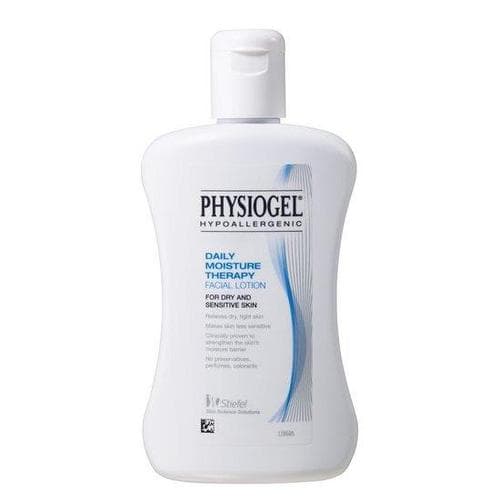
LG H&Hmatch 0.78PHYSIOGEL DMT Facial Lotion is formulated on PHYSIOGEL's Derma Membrane Structure (DMS) technology, which delivers a lamellar lipid matrix — phospholipids and ceramide analogues arranged in bilayer geometry — designed to intercalate with and reinforce the intercellular lipid lamellae of the stratum corneum. This directly addresses the friction mechanism: the DMS lipid architecture can partially compensate for the ceramide precursor depletion that occurs under sustained low-vapor-pressure conditions. Additionally, the humectant component of the lotion format is positioned to buffer NMF loss by creating a transient moisture reservoir within the cornified layers, reducing the TEWL spike before occlusive cosmetics are applied.
PHYSIOGEL
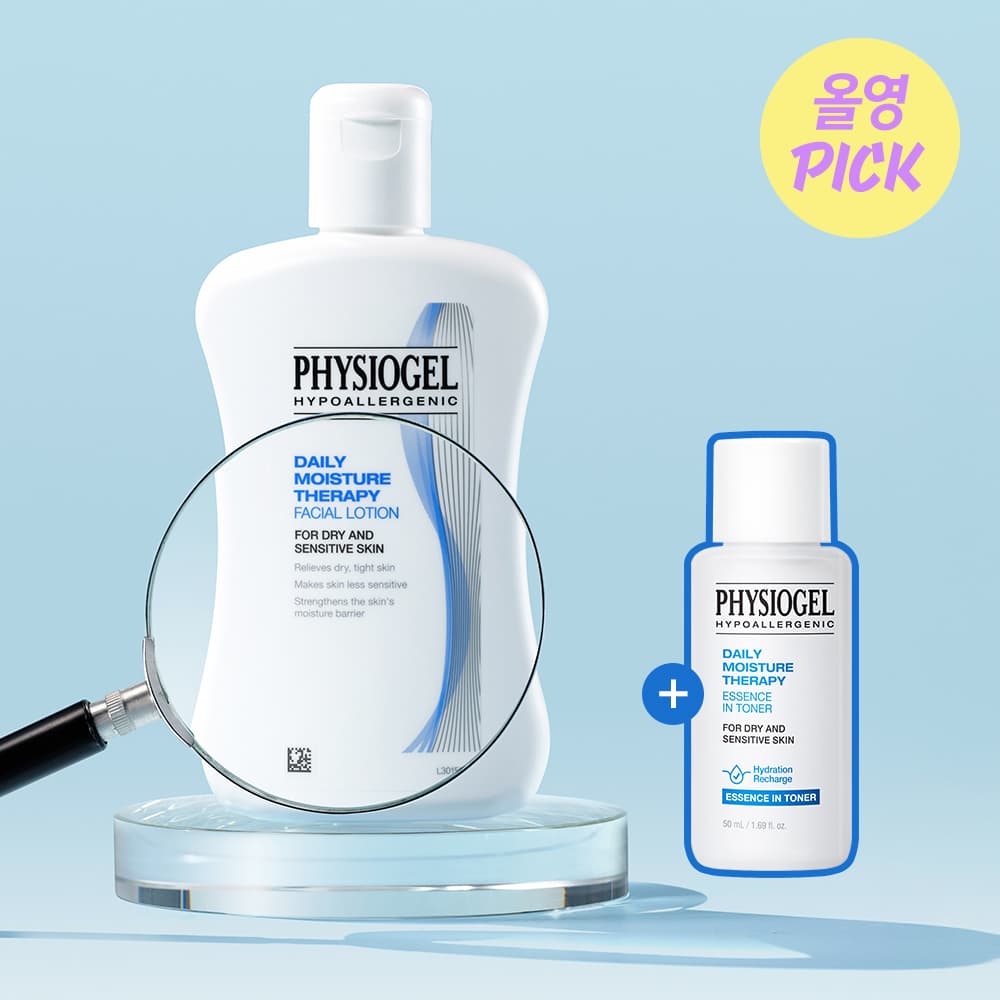
LG H&Hmatch 0.76The PHYSIOGEL DMT Facial Lotion Set paired with a toner offers a two-step layering protocol mechanistically relevant to the friction described. The toner phase delivers low-molecular-weight humectants — likely glycerin and panthenol-class molecules — that replenish NMF-analogous osmolytes in the upper stratum corneum, while the subsequent DMT lotion deposits a lamellar lipid film that reduces the vapor pressure gradient driving passive NMF diffusion outward. This sequential occluded-humectant-then-barrier approach is precisely calibrated to interrupt the ceramide-and-NMF depletion cascade that accumulates across a high-TEWL afternoon in sub-15% RH ambient conditions.
AESTURA
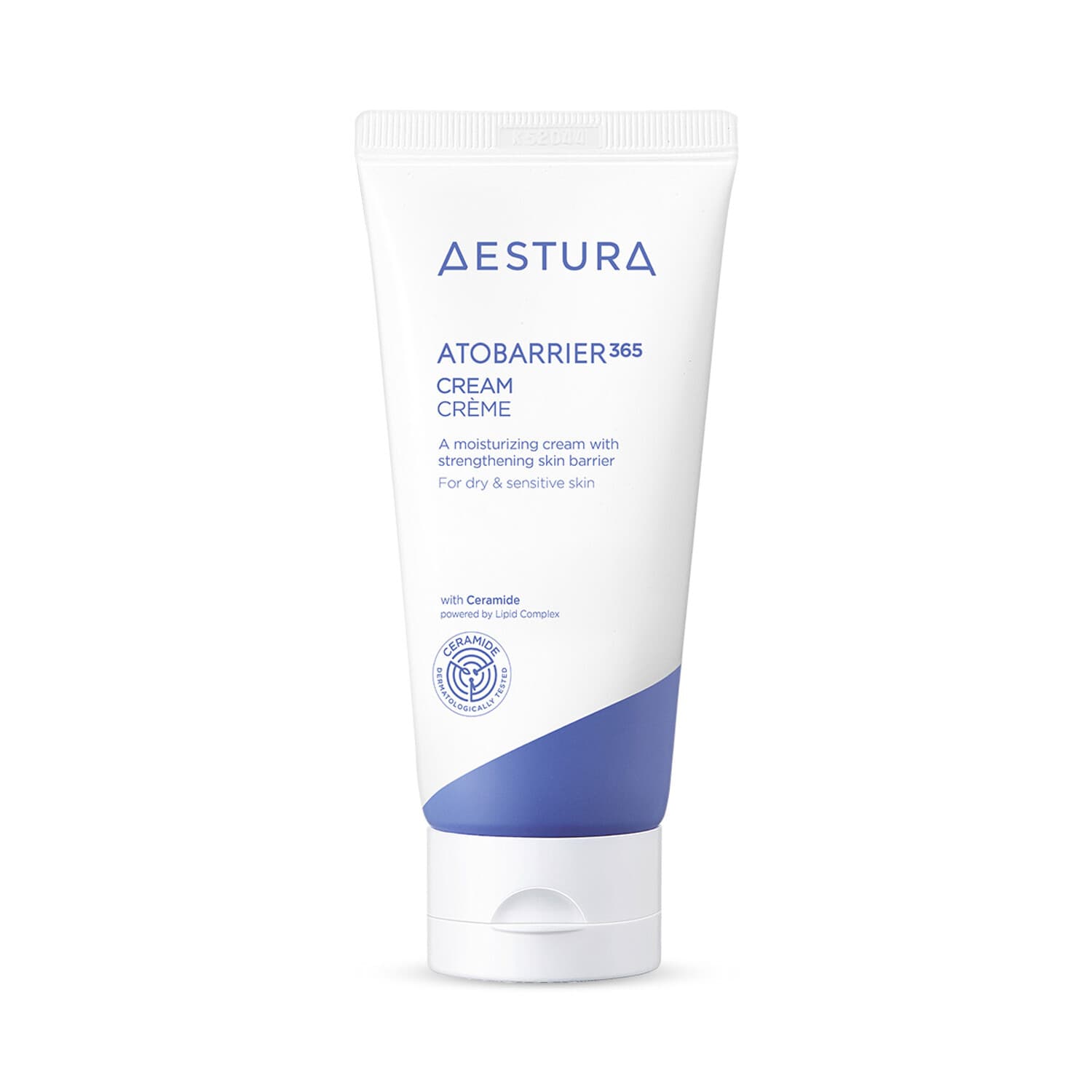
competitor brandmatch 0.72AESTURA Atobarrier 365 Cream is named and positioned around barrier restoration — the '365' branding signals sustained daily barrier function, and the 'Ato' prefix implicates formulation targeting a compromised, atopy-adjacent barrier phenotype. The cream category implies a higher-lipid-content emulsion likely delivering ceramides, fatty acids, and cholesterol in physiologically relevant ratios, which are precisely the intercellular lamellae components depleted by extreme vapor-pressure-differential environments. Applied as a pre-event base layer, its occlusive lipid matrix would raise the TEWL baseline back toward normal before rave cosmetics compound the occlusion variable, directly addressing the pre-compromised barrier described in the friction.
Friction·sensitive skin soothing
Cosmetic removal at end of event — often aggressive wiping with micellar water or cleansing wipes, compounded by alcohol-based hand sanitizer contact throughout the night — generates a cumulative surfactant and solvent insult to an already-stressed barrier
Gem adhesives and body paint require mechanical friction and a lipophilic solvent to remove — most users reach for micellar water, baby wipes, or dual-phase removers with high isohexadecane or cyclopentasiloxane content, often applied with repeated rubbing strokes. Micellar water at typical use concentration (0.5–2% polysorbate-20 or PEG-7 glyceryl cocoate) runs well above the critical micelle concentration but below the solubilization threshold for robust adhesive polymers, so users compensate with mechanical action. Repeated tangential shear on an already-desiccated stratum corneum dislodges corneocytes at intercellular junctions before desquamation is biochemically due. Separately, the isopropanol in hand sanitizers — contact is frequent in crowd settings — is a known lipid solvent: even brief repeated exposures extract cholesterol and free fatty acids from the outermost cornified layers, elevating TEWL at fingertip-contact zones. The aggregate result is a barrier insult that manifests as post-event reactive redness, tight texture, and a 24-48 hour sensitized window.
Matched K-Beauty products
PHYSIOGEL
LG H&Hmatch 0.72PHYSIOGEL DMT Facial Lotion is formulated on the Derma Membrane Structure (DMS) lipid-bilayer technology, delivering physiological ratios of ceramides, phospholipids, and free fatty acids — precisely the lipid classes extracted by repeated isopropanol and surfactant insult described in the friction. By replenishing intercellular lamellar lipids, it restores the permeability barrier and reduces elevated TEWL, addressing the post-event reactive redness and tight-texture window. Its fragrance-free, low-irritant formulation profile aligns with the sensitized-skin state following cumulative surfactant and solvent exposure, making it mechanistically credible for the 24–48 hour recovery phase.
PHYSIOGEL
LG H&Hmatch 0.70The PHYSIOGEL DMT Facial Lotion + Toner Set extends the barrier-repletion argument: the accompanying toner likely provides humectant pre-loading (glycerin or similar polyol) to counter desiccation-driven corneocyte junction disruption before applying the DMT lipid-bilayer emulsion. Sequential application of a humectant layer followed by a lipid-occlusive emulsion is a clinically supported protocol for compromised-barrier states — mirroring standard post-procedure sensitive-skin regimens — making this set marginally more comprehensive than the lotion alone for a multi-step post-event recovery context.
AESTURA
competitor brandmatch 0.68AESTURA Atobarrier 365 Cream targets atopic-type barrier insufficiency, a pathophysiology mechanistically overlapping with the acute lipid-extraction and corneocyte disruption described in the friction. Formulations in this class typically deliver ceramide NP, cholesterol, and fatty acid complexes alongside anti-inflammatory agents to suppress post-insult reactive redness and normalize skin-surface pH. Its clinical positioning for compromised, reactive skin aligns well with the 24–48 hour sensitized window following surfactant-solvent cumulative insult, even if the etiology is extrinsic rather than atopic.