Friction·antioxidant uv defense
Pre-event sun exposure during peak UV hours in the Mojave desert loads oxidative and UV stress onto skin that will be occluded by heavy cosmetic films for the next 8–12 hours
EDC attendees are not a nighttime-only population. Arrival, camping setup, and pre-game rituals happen in the afternoon, when Las Vegas UV index routinely exceeds 10 in late May and ambient ozone is low. Desert UV has a disproportionately high UVA fraction due to low atmospheric water vapor — UVA penetrates to the dermis, generating reactive oxygen species (ROS) via lipid peroxidation in the stratum corneum and triggering photo-oxidation of squalene, the dominant sebum lipid. Oxidized squalene is itself a comedogenic and pro-inflammatory species — it disrupts tight junctions, activates the NLRP3 inflammasome pathway in keratinocytes, and up-regulates interleukin-1α. When heavy rave makeup is applied over sun-stressed skin and worn for eight or more hours, the semi-occlusive film traps this oxidative environment, prevents cutaneous gas exchange, and creates a microenvironment where oxidized lipid byproducts accumulate against the barrier surface. The window for intervention is pre-event: a broad-spectrum sunscreen (UVA-PF matched to SPF, ideally a Boots Star Rating ≥4) formulated with a lipid-phase antioxidant — tocopherol acetate or a stabilized ascorbyl tetraisopalmitate — to intercept squalene peroxidation before the occlusive makeup stack goes on.
Matched K-Beauty products
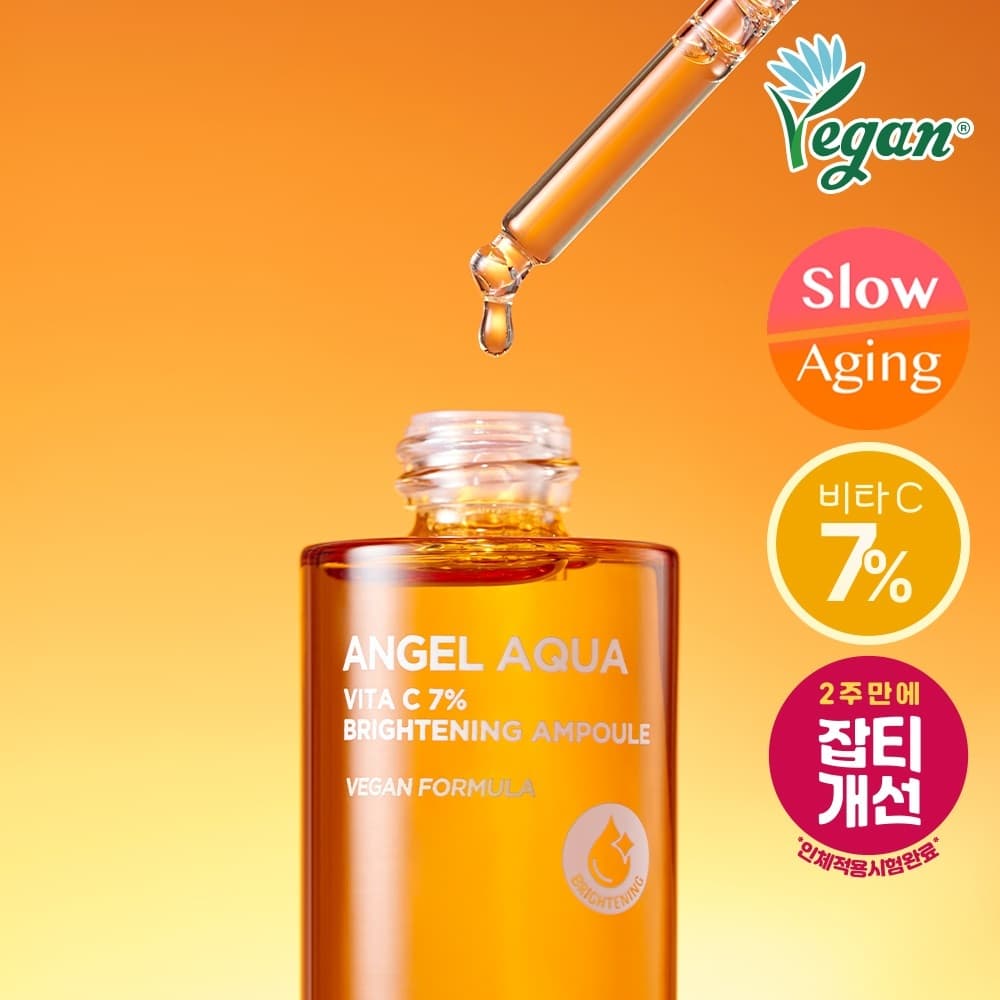
BEYOND Angel Aqua Vita C 7% Brightening Ampoule 30ml (Vegan) ↗BEYOND Angel Aqua Vita C 7% Brightening Ampoule contains a stabilized vitamin C derivative at a therapeutically relevant 7% concentration, placing it in the lipid-soluble or water-soluble ascorbyl ester class that can intercept ROS generated by UVA-driven squalene peroxidation. While its primary marketed indication is brightening rather than pre-UV photoprotection, ascorbyl derivatives function as electron donors that quench singlet oxygen and lipid peroxyl radicals — directly addressing the oxidative cascade the friction identifies. Applied pre-event before occlusive makeup, it could partially pre-load the stratum corneum antioxidant reservoir, though it lacks a UV-filter component, limiting its match to the antioxidant limb only.
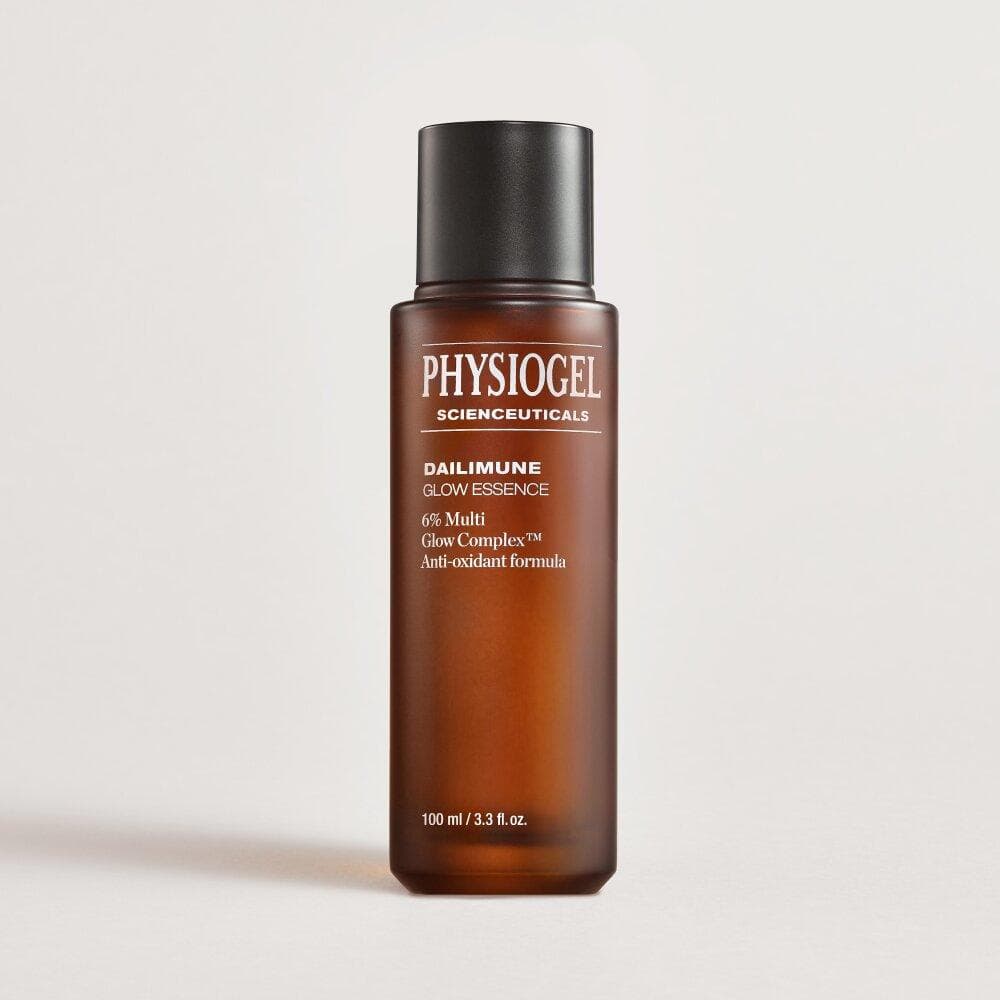
PHYSIOGEL
LG H&Hmatch 0.42PHYSIOGEL Scienceuticals Dailimune Glow Essence, positioned within the Scienceuticals line emphasizing barrier-immune homeostasis, may contain antioxidant-adjacent actives that support skin luminosity under oxidative load. The 'Glow' designation suggests brightening chemistry that could include niacinamide or antioxidant-class molecules relevant to counteracting photo-oxidation byproducts. However, without a confirmed UV-filter or a named lipid-phase antioxidant such as tocopherol acetate or ascorbyl tetraisopalmitate, the mechanistic alignment with pre-UV squalene peroxidation interception is speculative, and the product lacks the broad-spectrum sunscreen component central to the friction's recommended intervention window.
Marketing post draft
Pre-load your skin before the Mojave hits.
EDC setup starts at 2 PM. UV index 10+. Desert air strips the atmospheric water vapor that normally absorbs UVA — meaning the radiation hitting your skin skews deep, oxidizing your skin's own squalene into a pro-inflammatory compound before you've applied a single layer of makeup. Then you seal all of that under an 8-hour glam stack. That's the problem. BEYOND Angel Aqua Vita C 7% Ampoule puts a stabilized ascorbyl ester — a lipid-compatible antioxidant — into your stratum corneum *before* the occlusion starts. At 7%, it's a working dose. It donates electrons to quench the peroxyl radicals squalene oxidation generates. Apply it. Let it absorb. Then build your look on top.
Stack it first.
Friction·hydration barrier repair
8–12 hours of occlusive body paint and makeup film, dancing-driven heat, and post-event harsh cleansing leaves the barrier acutely compromised and in need of lipid-phase repair
Extended occlusion under a pigment-binder film at elevated skin temperature (core body temperature during dancing can push skin surface temperature to 38–39°C at the face and chest) creates a prolonged macerative microenvironment. Stratum corneum corneocytes swell with sequestered transepidermal water, and the intercellular lipid lamellar structure — primarily ceramide/cholesterol/free fatty acid in an approximate 1:1:1 molar ratio — begins to disorder as temperature increases, because the lipid bilayer undergoes a phase transition that loosens the gel-phase packing. When the film is finally removed post-event, typically with an aggressive makeup remover (often acetone-based wipes or high-surfactant micellar water used with mechanical friction to shift body paint), barrier function is acutely depleted. TEWL spikes, ceramide content is measurably reduced, and the slightly alkaline post-cleanse pH (US tap water at pH 7–8 vs. optimal stratum corneum pH of 4.5–5.5) delays serine protease normalization, slowing the enzymatic re-synthesis of natural moisturizing factor. The appropriate recovery vehicle is a ceramide-dominant emulsion — ceramide NP, ceramide AP, and ceramide EOP in a ratio that mirrors the native lamellar body secretion — delivered in a lightweight lotion that wicks into a disrupted barrier without requiring the occlusive pressure a heavy cream would need.
Matched K-Beauty products
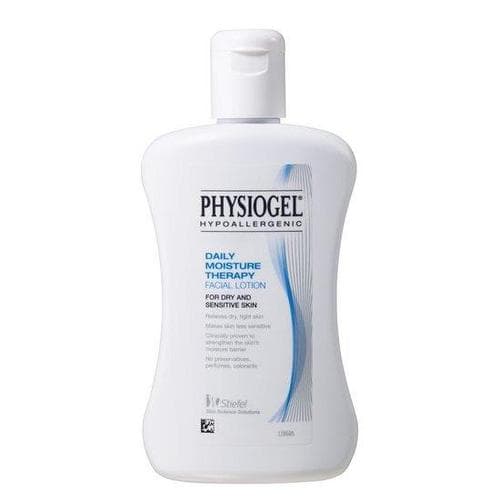
PHYSIOGEL
LG H&Hmatch 0.82PHYSIOGEL DMT Facial Lotion is formulated around the brand's Derma Membrane Structure (DMS) technology, which delivers a physiological ceramide/cholesterol/free-fatty-acid lipid complex designed to intercalate into disordered lamellar bilayers and restore their gel-phase packing. The lightweight lotion vehicle is mechanistically appropriate for a post-occlusion, post-aggressive-cleanse barrier: it avoids the heavy occlusivity that would trap residual alkaline pH at the surface while still delivering the lipid-phase repair substrates needed to normalize TEWL and resume serine protease-driven NMF synthesis. This directly addresses the ceramide-depleted, pH-dysregulated stratum corneum left after body-paint removal.
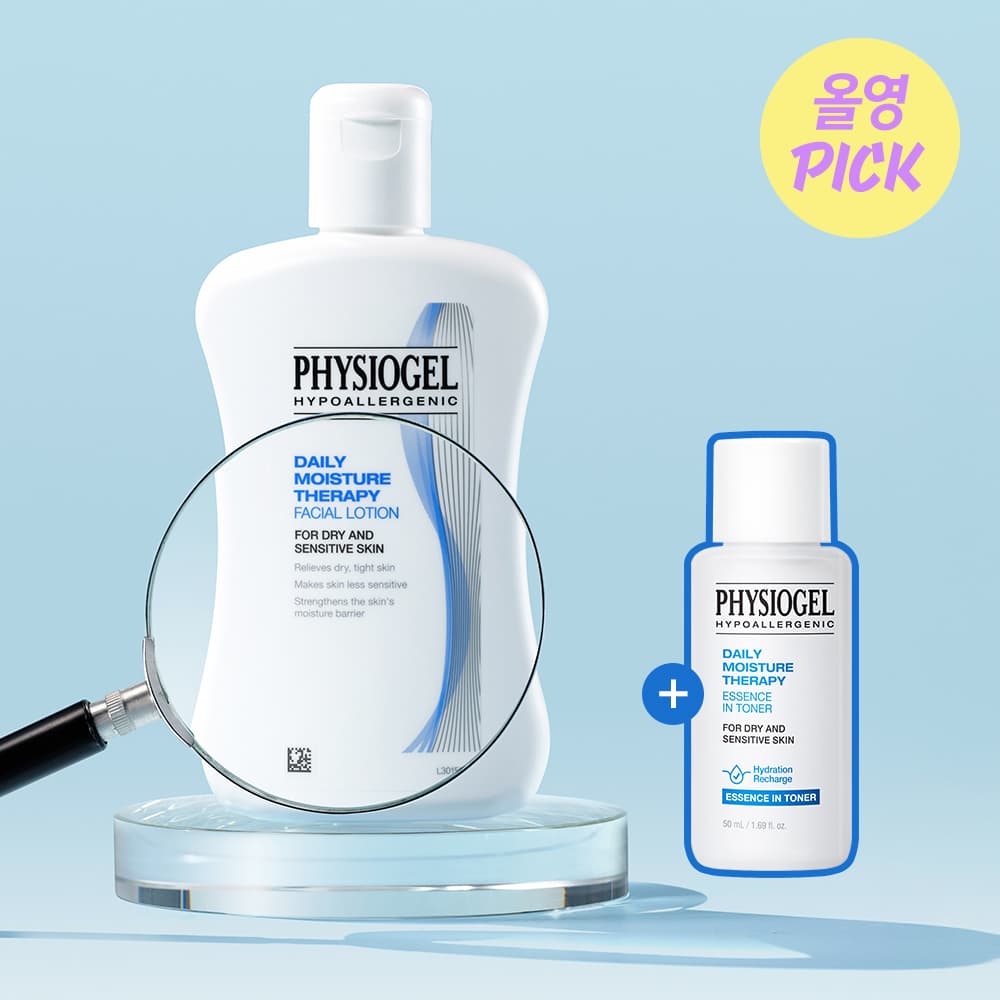
PHYSIOGEL
LG H&Hmatch 0.80The PHYSIOGEL DMT Facial Lotion 200ml Set with a companion Toner provides a two-step lipid-replenishment protocol that maps well onto post-barrier-disruption recovery: the toner step can help re-acidify the stratum corneum surface (countering the alkaline post-cleanse pH of 7–8 from tap water) while the DMT lotion then delivers the ceramide-dominant lamellar lipid complex. Sequential application of a low-viscosity hydrophilic phase followed by a lipid-structured emulsion is consistent with accepted barrier-repair stratification, making this set modestly superior in protocol completeness to the lotion alone.
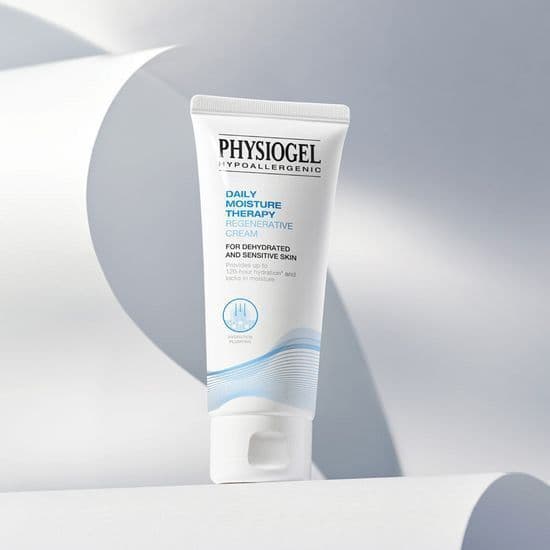
PHYSIOGEL
LG H&Hmatch 0.72PHYSIOGEL DMT Regenerative Cream carries the same DMS lipid-bilayer mimetic technology but in a higher-lipid, cream-phase vehicle. While the friction analysis specifically calls for a lightweight lotion to avoid re-occluding the barrier, a regenerative cream formulation likely delivers a denser ceramide/cholesterol/FFA payload that could accelerate lamellar bilayer re-assembly in regions of acute ceramide depletion — such as the chest and face after 8–12 hours of pigment-binder film occlusion followed by acetone-based removal. The heavier emulsion base is a moderate mechanistic mismatch, but the regenerative lipid-repair claim is directionally aligned with the efficacy class required.